 HAOCOOL
Water-Cooled Condenser for Cold Storage | Refrigeration Condenser


Product Introduction
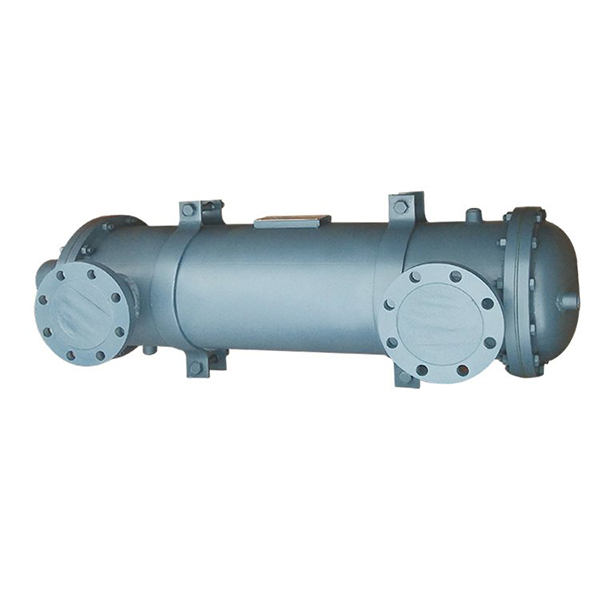
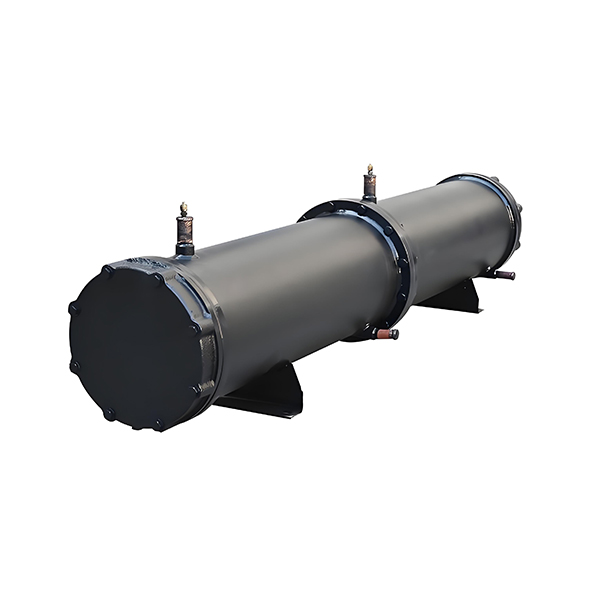
The Water-Cooled Condenser for Cold Storage is a high-efficiency heat rejection device used in commercial and industrial refrigeration systems. It removes heat from high-temperature, high-pressure refrigerant vapor by transferring the heat to circulating cooling water.
Water-cooled condensers are widely used in cold storage warehouses, freezer rooms, food processing plants, cold chain logistics centers, supermarkets, pharmaceutical facilities, and industrial refrigeration systems. Compared with air-cooled condensers, water-cooled systems can provide stable condensing performance when the cooling water system is properly designed, especially in high ambient temperature environments or projects with limited outdoor installation space.
The condenser can be matched with reciprocating, screw, scroll, or other refrigeration compressors according to system requirements. Cooling capacity, refrigerant type, water flow rate, connection size, condenser structure, working pressure, and installation arrangement can all be customized according to the cold storage project.
Key Product Features
Efficient Heat Transfer Performance
The condenser uses circulating water to absorb heat from the refrigerant. The heat exchanger structure provides a large heat transfer surface and helps maintain stable condensing conditions during refrigeration operation.
Stable Performance in High Ambient Temperatures
Unlike air-cooled condensers that depend directly on outdoor air temperature, water-cooled condensers mainly depend on cooling water conditions. When matched with a properly designed cooling tower and circulation system, they can provide reliable performance in hot climates.
Compact Equipment Design
Water-cooled condensers generally require less outdoor heat exchanger space than large air-cooled condenser systems. This makes them suitable for machine rooms, industrial plants, and projects where outdoor installation space is limited.
Flexible Refrigeration System Matching
The condenser can be selected according to compressor capacity, refrigerant, evaporating temperature, condensing temperature, cooling water inlet temperature, and required heat rejection capacity.
Reliable Industrial Operation
Durable pressure-resistant construction and optimized refrigerant and water circuits help support continuous refrigeration operation in commercial and industrial environments.
Convenient Maintenance
Depending on the condenser structure, inspection and cleaning can be carried out to remove scale or impurities from the water side. Proper water treatment and regular maintenance help preserve long-term heat exchange efficiency.
Technical Parameters
| Parameter | Specification |
|---|---|
| Product Type | Water-Cooled Refrigeration Condenser |
| Application | Cold Storage / Freezer / Industrial Refrigeration |
| Cooling Method | Water-Cooled |
| Condenser Structure | Shell-and-Tube or Customized |
| Heat Exchange Capacity | Customized according to refrigeration load |
| Refrigerant | Selected according to system requirements |
| Compressor Matching | Reciprocating / Screw / Scroll / Customized |
| Cooling Water | Circulating Cooling Water |
| Water Inlet Temperature | Designed according to project conditions |
| Water Flow Rate | Customized according to heat rejection capacity |
| Condensing Temperature | Selected according to system design |
| Working Pressure | According to refrigerant and design requirements |
| Connection Method | Flanged / Threaded / Customized |
| Installation | Machine Room / Indoor Industrial Installation |
| Cooling Tower | Can be matched according to project requirements |
| Customization | Capacity, dimensions, connections and materials available |
Technical specifications are for general reference only. Final parameters depend on compressor capacity, refrigerant, cooling water temperature, condensing conditions, local climate, and project design.
Main Applications
Water-cooled condensers are widely used in:
- Large cold storage warehouses
- Frozen food warehouses
- Meat and seafood cold rooms
- Food processing plants
- Dairy production facilities
- Beverage factories
- Cold chain logistics centers
- Pharmaceutical cold storage
- Central refrigeration systems
- Industrial process cooling
- Commercial refrigeration projects
Advantages of Water-Cooled Condensers
High Heat Rejection Efficiency
Water has strong heat transfer capability, allowing water-cooled condensers to provide efficient heat rejection under suitable operating conditions.
Reduced Outdoor Equipment Requirements
The condenser can be installed in a refrigeration machine room, while heat is transferred to an external cooling tower or circulating water system.
Suitable for Large Refrigeration Loads
Water-cooled condensers are commonly used in medium and large refrigeration systems where continuous operation and high heat rejection capacity are required.
Stable Condensing Conditions
A properly controlled cooling water system can help maintain relatively stable condensing temperatures, supporting reliable compressor operation.
Flexible Centralized Refrigeration Design
Water-cooled condensers can be integrated with compressor racks, screw refrigeration units, cooling towers, water pumps, and PLC control systems to create complete centralized refrigeration solutions.
Cooling Water System Requirements
A complete water-cooled refrigeration system may include:
- Water-cooled condenser
- Cooling tower
- Circulating water pump
- Water piping
- Water treatment equipment
- Expansion or make-up water system
- Electrical control system
Cooling water quality is important because mineral scale, corrosion, and contamination can reduce heat transfer efficiency. Regular cleaning and appropriate water treatment are therefore recommended.
Customized Cold Storage Condenser Solutions
We provide customized water-cooled condenser solutions based on refrigeration capacity, compressor type, refrigerant, required storage temperature, cooling water conditions, maximum ambient temperature, installation space, and operating requirements.
Our engineering team can assist with condenser sizing, cooling tower selection, water pump matching, piping design, and complete refrigeration system configuration.
For large cold rooms, frozen warehouses, food processing facilities, and industrial refrigeration projects, a properly designed water-cooled condenser provides stable heat rejection, compact installation, and reliable long-term refrigeration performance.
Related Cases

Shanghai Rongqing Logistics 20,000 m³ Low-Temperature Cold Storage Project
Shanghai Rongqing Logistics 20,000 m³ Low-Temperature Cold Storage Project The Shanghai Rongqing Logistics 20,000 m³ Low-Temperature Cold Storage Project is a large-scale frozen logistics warehouse constructed by HAOCOOL for Shanghai Rongqing International Storage and Transportation Co., Ltd. The project was designed for -20°C low-tempe...
View details
Beijing Coca-Cola Beverage Cold Storage Project
Beijing Coca-Cola Beverage Cold Storage Project The Beijing Coca-Cola Beverage Cold Storage Project is a professional food and beverage refrigeration project constructed by HAOCOOL for the storage of finished Coca-Cola beverage products. The project was completed in October 2016, with a construction period of approximately 30 days. The ...
View details
Fudan University Scientific Laboratory Low-Temperature Cold Storage Project
Fudan University Scientific Laboratory Low-Temperature Cold Storage Project The Fudan University Scientific Laboratory Low-Temperature Cold Storage Project is a specialized refrigeration engineering project designed and constructed by HAOCOOL for scientific research, laboratory sample preservation, plasma storage, and other low-temperat...
View details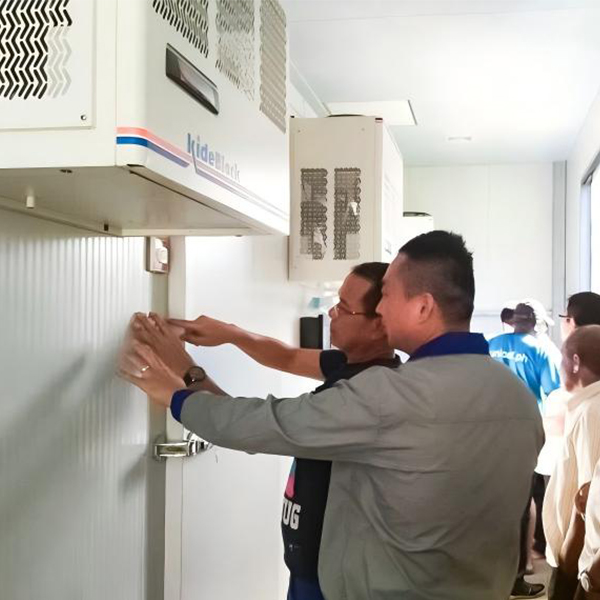
Philippines 2,000 m³ Coconut Cold Storage Project | Fruit Cold Room
Philippines 2,000 m³ Coconut Cold Storage Project | Fruit Cold Room The Philippines 2,000 m³ Fruit Cold Storage Project is a customized refrigeration facility developed for the preservation and export storage of coconuts. Located on Lagoon Island, Philippines, the project was designed to provide stable temperature control, reliable refr...
View detailsNEWS INFORMATION
 READ MORE
HAOCOOL Participates in AGRILINK 2026 in the Philippines, Showcasing Advanced Cold Storage and Cold Chain Solutions
0Building Connections in Southeast Asia and Supporting Modern Agricultural Cold Chain Development From October 8 to 10, 2026, HAOCOOL participated in AGRILINK – Agrilink Foodlink Aqualink, one of the leading agricultural, food, and aquacult...
-
READ MORE
How to Determine the Low-Temperature Storage Temperature for Hazardous Chemicals?
0The storage temperature of hazardous chemicals is not determined simply by choosing a lower temperature. It should be established according to the specific chemical properties, safety data, storage requirements, and applicable regulations. For...
-
READ MORE
What Is the Difference Between a Hazardous Goods Cold Storage Facility and a Standard Cold Storage Warehouse?
0Cold storage facilities are widely used for food, pharmaceuticals, chemicals, and other temperature-sensitive products. However, a hazardous goods cold storage facility has significantly different design and safety requirements from a standard...
-
READ MORE
Which costs more to build: a cold storage warehouse, a freezer warehouse, or a blast freezing warehouse?
0When planning a cold storage facility, users often compare the construction costs of cold storage warehouses, freezer warehouses, and blast freezing warehouses. Assuming similar storage capacity, building conditions, equipment brands, and cons...
-
READ MORE
Why Are the Requirements for Medical Cold Chain Warehousing Higher?
0The question of why medical cold chain warehousing demands higher standards frequently arises in the contexts of pharmaceutical distribution, vaccine storage, and the management of in vitro diagnostic reagents. Medical products are highly sens...
-
READ MORE
How to Achieve Energy Efficiency in Cold Storage? Practical Tips for Cold Chain Enterprises to Save Power and Reduce Consumption
0For cold chain enterprises, achieving energy efficiency in cold storage is a crucial factor in controlling operating costs. Since cold storage facilities operate continuously, electricity bills often account for a significant portion of daily ...

loading...
已经是到最后一篇内容了!