 HAOCOOL

Philippines 2,000 m³ Coconut Cold Storage Project | Fruit Cold Room
Case Details
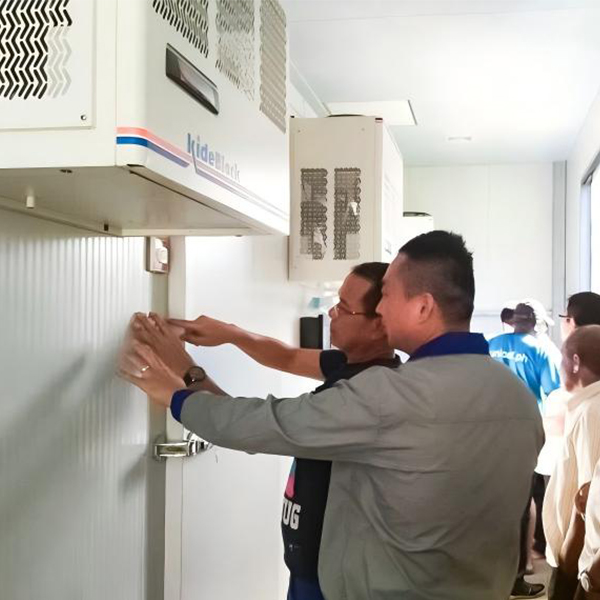
The Philippines 2,000 m³ Fruit Cold Storage Project is a customized refrigeration facility developed for the preservation and export storage of coconuts. Located on Lagoon Island, Philippines, the project was designed to provide stable temperature control, reliable refrigeration performance, and efficient fresh-keeping conditions for tropical fruit products.
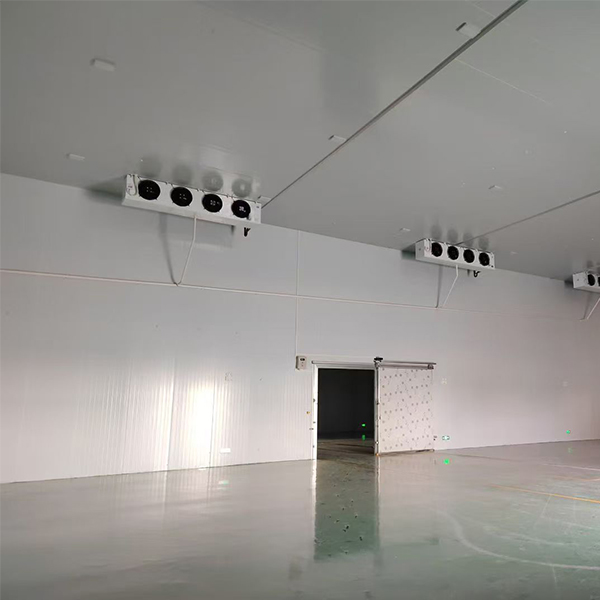
The cold storage facility covers approximately 667 m², with a clear height of 3 meters and a total refrigerated volume of about 2,000 m³. The complete cold room system consists of five independent storage rooms, allowing the customer to organize products according to inventory, loading schedules, and export requirements.
The customer’s main business is coconut export, and maintaining product freshness before shipment is essential. The design temperature of the cold rooms is 0°C to 8°C, helping reduce deterioration, slow respiration, and maintain the commercial quality of coconuts during storage.
Project Information
| Parameter | Project Details |
|---|---|
| Project Name | Philippines 2,000 m³ Fruit Cold Storage Project |
| Project Location | Lagoon Island, Philippines |
| Main Application | Coconut Fresh-Keeping and Export Storage |
| Project Area | Approx. 667 m² |
| Cold Room Height | 3 m |
| Total Refrigerated Volume | Approx. 2,000 m³ |
| Number of Cold Rooms | 5 Rooms |
| Storage Temperature | 0°C to 8°C |
| Main Stored Product | Coconut |
| Refrigeration System | Screw Compressor Units + Reciprocating Compressor Units |
| Air Cooler | High-Efficiency Air Coolers Imported from China |
| Insulation Panel | Double-Sided PU Insulated Sandwich Panel |
| Panel Thickness | 100 mm |
| Fire Rating | B1 Grade |
Designed for Coconut Fresh-Keeping
Coconuts are tropical agricultural products that require suitable temperature control during post-harvest storage and export preparation. Excessive heat can accelerate product aging, moisture loss, and quality deterioration.
For this project, the required storage temperature was set between 0°C and 8°C to provide a stable fresh-keeping environment.
The five-room configuration gives the customer greater flexibility in warehouse management. Different rooms can be used according to product batches, receiving schedules, inventory rotation, or export loading plans.
This design also helps reduce unnecessary cooling of unused storage space, improving overall refrigeration efficiency.
Hybrid Refrigeration System Configuration
According to the cooling load and operating requirements of the five cold rooms, the project uses a combination of screw compressor refrigeration units and reciprocating compressor units.
Two cold rooms are equipped with screw compressor systems, while the remaining three cold rooms use reciprocating compressor refrigeration units.
| Refrigeration Configuration | Application |
|---|---|
| Screw Compressor Units | 2 Cold Rooms |
| Reciprocating Compressor Units | 3 Cold Rooms |
| Refrigeration Application | 0°C to 8°C Fruit Cold Storage |
The use of different compressor technologies allows the refrigeration system to be matched more precisely to the cooling demand of each room.
Screw compressor units provide stable refrigeration performance and are suitable for continuous operation, while reciprocating compressor systems offer flexible capacity selection and reliable performance for individual cold rooms.
High-Efficiency Air Cooling System
The cold rooms are equipped with high-efficiency air coolers imported from China.
The air coolers are designed to provide effective heat exchange and uniform airflow distribution throughout the refrigerated space. Proper air circulation helps reduce local temperature differences and provides more consistent storage conditions around the coconut products.
Uniform cooling is especially important in fruit cold storage, where excessive temperature variation may affect product freshness and storage quality.
100 mm PU Cold Room Insulation Panels
The cold storage enclosure uses 100 mm thick double-sided polyurethane insulated sandwich panels with steel facings.
The polyurethane insulation core provides low thermal conductivity and helps reduce heat transfer from the warm external environment into the cold rooms.
| Insulation Parameter | Specification |
|---|---|
| Panel Type | Double-Sided Steel PU Sandwich Panel |
| Insulation Core | Polyurethane Foam |
| Panel Thickness | 100 mm |
| Fire Rating | B1 Grade |
| Application | Cold Room Walls and Ceilings |
The 100 mm insulated panel system helps maintain stable indoor temperatures while reducing refrigeration load and energy consumption.
Key Project Advantages
The Philippines fruit cold storage project provides several important benefits:
- Five independent cold rooms for flexible storage management
- Stable fresh-keeping temperature from 0°C to 8°C
- Combination of screw and reciprocating compressor systems
- High-efficiency air coolers for uniform temperature distribution
- 100 mm polyurethane insulated panels
- B1 fire-rated insulation structure
- Suitable for tropical fruit export and cold chain logistics
- Efficient use of a 2,000 m³ refrigerated storage volume
Project Results
The Philippines 2,000 m³ Fruit Cold Storage Project provides the customer with a professional cold chain solution for coconut storage and export preparation.
By combining multi-room cold storage design, stable temperature control, screw and reciprocating refrigeration technologies, efficient air cooling, and high-performance polyurethane insulation, the facility helps maintain coconut freshness and improve storage management efficiency.
This project provides a practical reference for coconut cold storage, tropical fruit warehouses, fruit export refrigeration facilities, agricultural cold rooms, and fresh produce cold chain projects in the Philippines and Southeast Asia.
Product Recommendation
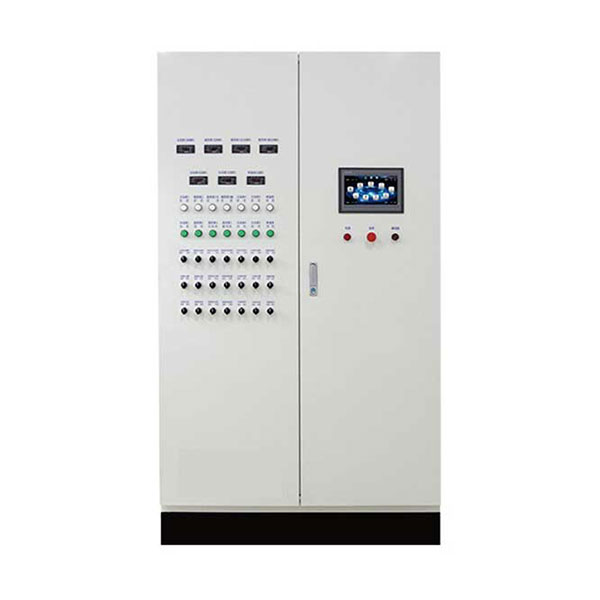
Cold Storage PLC Electrical Control Panel
Cold Storage PLC Electrical Control Panel A cold storage PLC electrical control panel is an intelligent control system designed to manage and monitor refrigeration equipment in cold rooms, freezer warehouses, food processing facilities, and industrial cold chain projects. By integrating PLC control technology with refrigeration componen...
View details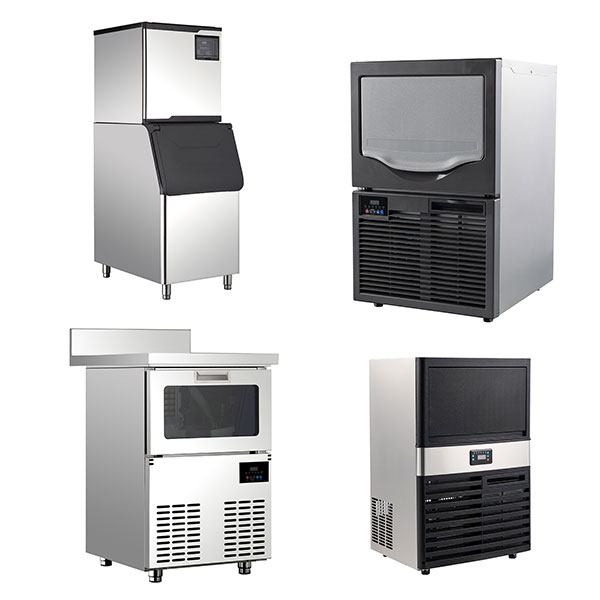
Ice Machine for Cold Storage and Cold Chain Facilities
Ice Machine for Cold Storage and Cold Chain Facilities An industrial ice machine is an important auxiliary equipment solution for seafood processing, fish markets, food distribution centers, agricultural logistics, and cold chain facilities. It produces a continuous supply of ice for rapid cooling, product preservation, transportation, ...
View details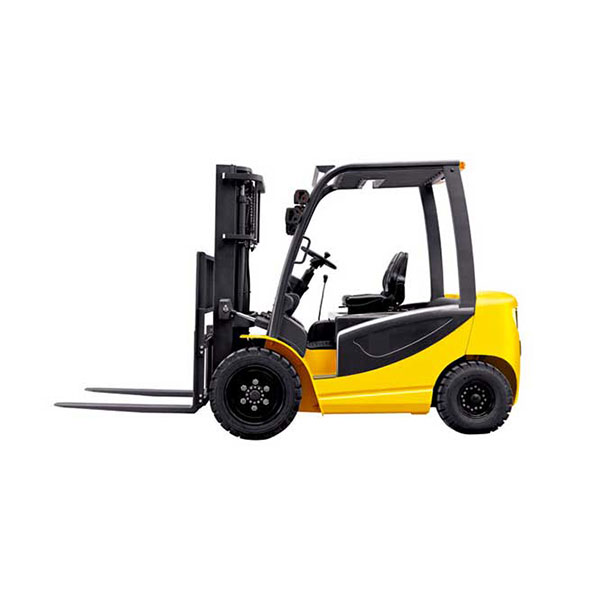
Cold Storage Forklift
Cold Storage Forklift A cold storage forklift is a specialized material handling solution designed for refrigerated warehouses, freezer rooms, food processing facilities, and cold chain logistics centers. Unlike standard warehouse forklifts, cold storage forklifts are designed to operate reliably in low-temperature and humid environment...
View details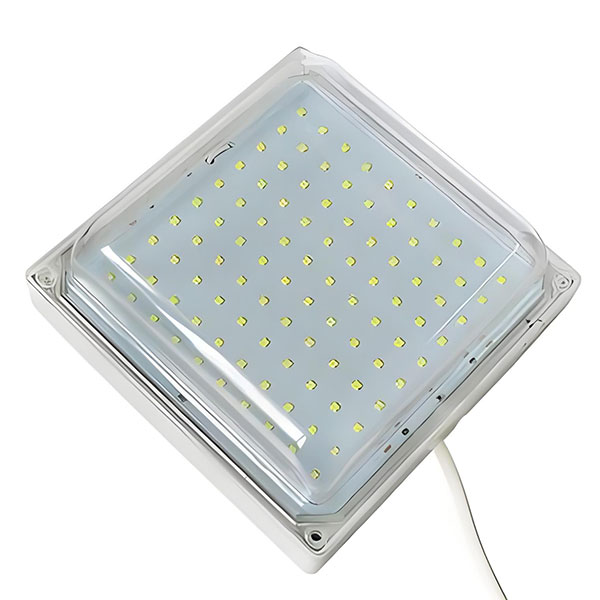
Cold Storage LED Light
Cold Storage LED Light Cold storage lighting is an essential part of modern refrigerated warehouses, freezer rooms, food processing facilities, and cold chain logistics centers. Unlike conventional indoor lighting, cold storage lights need to operate reliably in low-temperature, high-humidity, and potentially condensation-prone environm...
View detailsNEWS INFORMATION
 READ MORE
HAOCOOL Participates in AGRILINK 2026 in the Philippines, Showcasing Advanced Cold Storage and Cold Chain Solutions
0Building Connections in Southeast Asia and Supporting Modern Agricultural Cold Chain Development From October 8 to 10, 2026, HAOCOOL participated in AGRILINK – Agrilink Foodlink Aqualink, one of the leading agricultural, food, and aquacult...
-
READ MORE
How to Determine the Low-Temperature Storage Temperature for Hazardous Chemicals?
0The storage temperature of hazardous chemicals is not determined simply by choosing a lower temperature. It should be established according to the specific chemical properties, safety data, storage requirements, and applicable regulations. For...
-
READ MORE
What Is the Difference Between a Hazardous Goods Cold Storage Facility and a Standard Cold Storage Warehouse?
0Cold storage facilities are widely used for food, pharmaceuticals, chemicals, and other temperature-sensitive products. However, a hazardous goods cold storage facility has significantly different design and safety requirements from a standard...
-
READ MORE
Which costs more to build: a cold storage warehouse, a freezer warehouse, or a blast freezing warehouse?
0When planning a cold storage facility, users often compare the construction costs of cold storage warehouses, freezer warehouses, and blast freezing warehouses. Assuming similar storage capacity, building conditions, equipment brands, and cons...
-
READ MORE
Why Are the Requirements for Medical Cold Chain Warehousing Higher?
0The question of why medical cold chain warehousing demands higher standards frequently arises in the contexts of pharmaceutical distribution, vaccine storage, and the management of in vitro diagnostic reagents. Medical products are highly sens...
-
READ MORE
How to Achieve Energy Efficiency in Cold Storage? Practical Tips for Cold Chain Enterprises to Save Power and Reduce Consumption
0For cold chain enterprises, achieving energy efficiency in cold storage is a crucial factor in controlling operating costs. Since cold storage facilities operate continuously, electricity bills often account for a significant portion of daily ...




loading...
已经是到最后一篇内容了!