 HAOCOOL

How to Achieve Energy Efficiency in Cold Storage? Practical Tips for Cold Chain Enterprises to Save Power and Reduce Consumption
For cold chain enterprises, achieving energy efficiency in cold storage is a crucial factor in controlling operating costs. Since cold storage facilities operate continuously, electricity bills often account for a significant portion of daily expenses. Effective energy conservation requires a comprehensive approach that goes beyond merely considering equipment power ratings; it involves optimizing factors such as structural insulation, temperature settings, inventory management, and routine maintenance to minimize unnecessary energy consumption while ensuring storage quality.
1. Prioritize Insulation for Energy Efficiency
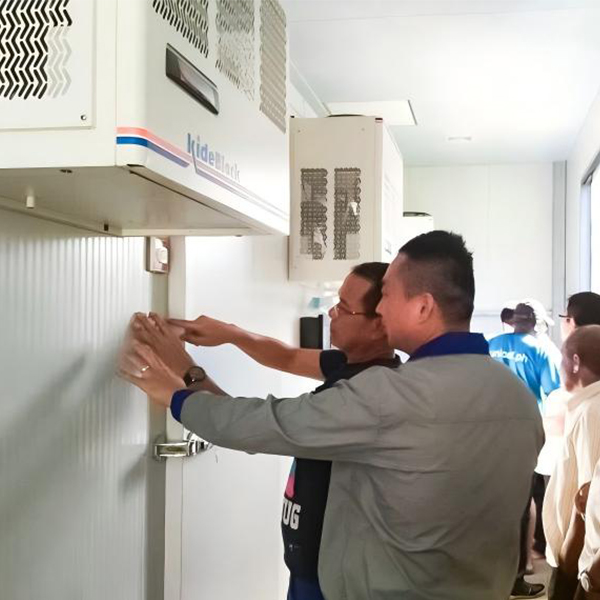
The foundation of cold storage energy efficiency lies in minimizing the loss of cooling energy. Factors such as the thickness of storage panels, the condition of door seals, and the frequency of door openings directly impact the operating time of the refrigeration system. Issues like aging door seals, inadequate floor insulation, or structural gaps cause the compressor to cycle on and off frequently, inevitably driving up electricity consumption.
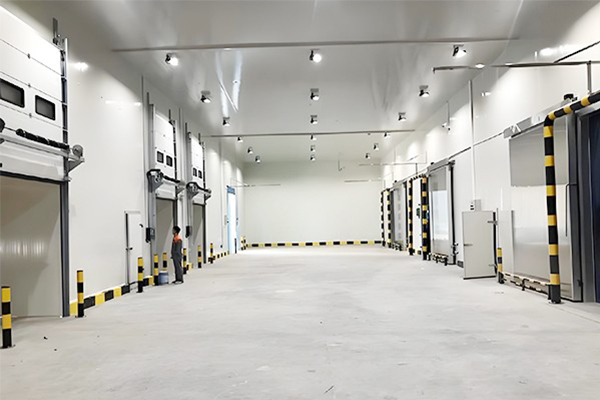
Enterprises are advised to regularly inspect door seals, strip curtains, and air curtains. Minimizing the time doors remain open during loading and unloading helps prevent large amounts of warm air from entering the storage area.
2. Set Temperatures Appropriately to Avoid Over-Cooling
Different products have distinct storage temperature requirements; lower temperatures are not always better. Temperature zones should be set according to specific operational needs—whether for fruit and vegetable refrigeration, meat freezing, or pharmaceutical storage. Setting temperatures unnecessarily low increases equipment load and results in energy waste.
Energy management strategies—such as zoned storage, time-based operation scheduling, and the use of temperature monitoring systems—can help reduce inefficient cooling and maintain stable equipment operation.
3. Equipment Maintenance Impacts Energy Efficiency
Prolonged operation of refrigeration equipment can lead to issues such as dust accumulation on condensers, frost buildup on evaporators, and fan malfunctions, all of which reduce heat exchange efficiency. While these may seem like minor problems, they force the compressor to run longer, thereby increasing electricity costs.
Enterprises should implement a routine inspection system to regularly clean condensers, check refrigerant levels and electrical control systems, and promptly address issues such as abnormal noise or uneven frost formation. Overall, energy efficiency in cold storage is not merely a matter of upgrading individual pieces of equipment, but rather a comprehensive, systematic management approach. By optimizing thermal insulation, temperature control, operational procedures, and maintenance protocols, cold chain enterprises can achieve sustainable reductions in operating costs.
If you are currently seeking energy-saving solutions for cold storage, we invite you to consult with HAOCOOL. With 17 years of deep expertise in the refrigeration industry and a network of over 18 domestic and international subsidiaries, we focus heavily on markets in Central and Southeast Asia. We have established local professional teams in regions such as Kazakhstan, Uzbekistan, and the Philippines to provide efficient, localized construction and on-site maintenance services. Serving a wide range of industries—including project investors, general contractors, and design firms—we are steadily expanding our global footprint while upholding a service-first philosophy. We also offer complimentary customized smart cold storage solutions and project quotations.
FAqS
Energy efficiency depends on insulation performance, refrigeration system design, equipment selection, temperature settings, door usage, and regular maintenance.
Energy consumption can be reduced by using efficient refrigeration equipment, improving insulation, optimizing airflow, controlling door opening frequency, and applying intelligent monitoring systems.
Regular maintenance keeps compressors, condensers, evaporators, and control systems operating efficiently, helping reduce energy waste and extend equipment life.