 HAOCOOL

What causes frequent starting of cold storage compressors?
Frequent starting of the cold storage compressor is a common operational issue. Under normal conditions, the compressor starts and stops automatically based on temperature fluctuations within the cold room; however, if the interval between starts is too short—or if the compressor restarts shortly after stopping—this indicates an abnormal operating cycle. Frequent starting not only increases energy consumption but also accelerates compressor wear and causes significant temperature fluctuations; in severe cases, it can even trigger a protective shutdown. Therefore, once the issue is detected, a comprehensive troubleshooting process is required, covering temperature control, electrical systems, pressure, refrigerant levels, and equipment compatibility.
1. Improper thermostat parameter settings
The thermostat is a critical component for controlling the compressor's start and stop cycles. If the thermostat's temperature differential setting is too narrow, the compressor will frequently receive start and stop signals. For instance, if the set temperature is 0°C and the differential is too tight, even minor changes in the room temperature will trigger the compressor, leading to frequent cycling.
The solution is to check the thermostat's set temperature, differential (hysteresis) parameters, and sensor placement. Generally, the temperature differential should be set reasonably based on the cold room's purpose, the stored goods, and temperature requirements to prevent the compressor from repeatedly starting and stopping over short periods.
2. Improper placement or damage of the temperature probe
If the temperature probe is installed near the air cooler outlet or the doorway, or is affected by external heat sources, the detected temperature readings may become unstable. Upon receiving erroneous temperature signals, the thermostat may misinterpret the temperature changes inside the room, causing the compressor to start frequently.
If the temperature display fluctuates significantly or the actual room temperature differs from the thermostat reading, check the probe for looseness, moisture damage, or other defects, and replace it if necessary. The probe should be positioned to accurately reflect the average temperature within the room, avoiding direct exposure to the cold airflow or proximity to the cold storage door.
3. Frequent opening of cold storage doors or poor insulation performance
Frequent opening of cold storage doors allows external warm air to continuously enter the facility, accelerating the rise in internal temperature. The compressor must start repeatedly to lower the temperature, eventually leading to a cycle of frequent starting and stopping. Additionally, issues such as poorly sealed panels, aging door gaskets, or inadequate floor insulation can result in the loss of cooling capacity.
To address these issues, check that the doors close tightly, inspect door gaskets for deformation, and look for cold air leakage at panel joints. For high-traffic cold storage facilities, consider installing air curtains, high-speed doors, or flexible strip curtains to minimize warm air ingress and enhance the stability of the refrigeration system.
4. Poor heat dissipation from the condenser
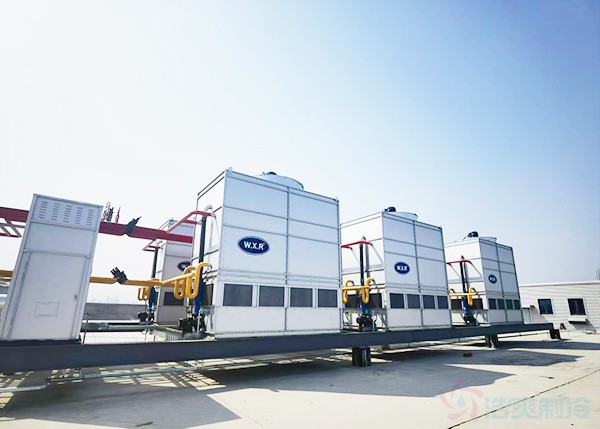
The condenser is responsible for expelling heat from the system. Excessive dust accumulation on the condenser surface, a non-functioning fan, or poor ventilation in the installation environment can all cause condensing pressure to rise. If the pressure becomes too high, the system may trigger high-pressure protection, causing the compressor to shut down; once the pressure drops, it restarts, resulting in frequent cycling.
Solutions include regularly cleaning the condenser fins, verifying that the condenser fan is operating correctly, and ensuring sufficient space around the unit for heat dissipation. For outdoor units, take care to prevent obstructions from debris and avoid direct exposure to high-temperature sunlight, which can impair heat dissipation.
5. Insufficient refrigerant or system leakage
Insufficient refrigerant reduces the system's cooling capacity, causing the temperature to drop slowly after the compressor starts and leading to abnormal system pressures. If the low-side pressure drops too low, the equipment may trigger low-pressure protection, causing the compressor to stop and then restart. Frequent compressor cycling is sometimes caused by unstable internal system pressure rather than electrical control issues.
If insufficient refrigerant is suspected, do not simply add more refrigerant blindly. Instead, first inspect the system for leaks, then assess the situation based on pressure readings, suction gas temperature, frost formation, and operating current. If a leak is confirmed, the leak must be repaired and the system evacuated before recharging with refrigerant according to standard specifications.
6. Unstable power supply voltage or abnormal electrical components
Cold storage compressors draw high current upon startup. If the power supply voltage is unstable, or if electrical components—such as contactors, thermal relays, or protective devices—are aged or have poor contact, the compressor may start frequently or shut down abnormally. Some faults may be accompanied by abnormal contactor engagement sounds, activation of protective devices, or overheating of wiring.
Troubleshooting should include checking for stable power supply voltage, loose wiring terminals, burnt or pitted contactor contacts, and appropriate thermal relay settings. As the electrical system involves safety and equipment protection, protective devices should not be arbitrarily bypassed; inspection and repair should be performed by qualified professionals.
7. Severe evaporator frosting or abnormal fan operation
Excessive frost buildup on the evaporator impedes cold air circulation, causing the temperature inside the cold room to drop slowly. Although the compressor is running, cooling capacity cannot be effectively delivered to the room, causing the thermostat to frequently trigger start-up signals. Issues such as a non-rotating evaporator fan, insufficient airflow, or incomplete defrosting can also lead to similar problems.
Check the evaporator surface for severe frosting, the defrost cycle for appropriateness, the drainage system for obstructions, and the fan for normal operation. If the cold storage unit operates in a high-humidity environment for extended periods, defrost control requires extra attention to prevent excessive frost from compromising cooling performance.
8. Undersized compressor or excessive cold storage load
If the compressor configuration does not match the cold room size, temperature requirements, product intake temperature, and inventory turnover volume, the compressor will operate under a high load for extended periods. This is particularly true when large quantities of goods are loaded at once or when the goods themselves have a high initial temperature; the cooling load increases significantly, causing the equipment to cycle frequently.
In such cases, the cold storage load must be recalculated, taking into account factors such as room dimensions, insulation thickness, operating temperature, product type, intake volume, and door opening frequency. If the equipment is significantly undersized, simply adjusting parameters is unlikely to fully resolve the issue; it may be necessary to increase cooling capacity or optimize operational practices.
9. Troubleshooting sequence for frequent cold storage compressor cycling
When encountering frequent compressor cycling, begin with simple checks. First, verify that the thermostat settings are reasonable and the displayed temperature is accurate. Next, inspect the cold storage door, door seals, and the overall airtightness of the storage unit. Then, check the condenser's heat dissipation, evaporator frosting, and fan operation. Finally, test system pressures, refrigerant status, and electrical control components.
This troubleshooting sequence minimizes misdiagnosis and prevents hasty actions like blindly replacing the compressor or arbitrarily adding refrigerant. Cold storage systems rely on the coordinated operation of multiple components; even a single poorly set parameter can cause significant start-stop irregularities.
10. How to resolve frequent cold storage compressor cycling
The key to resolving frequent compressor cycling is identifying the specific cause. If the issue stems from temperature control parameters, reset the temperature differential and start-stop thresholds. If the probe is faulty, adjust its position or replace it. If heat dissipation is poor, clean the condenser and improve ventilation. If refrigerant levels are low, locate leaks and replenish the refrigerant according to standard procedures. If the equipment is undersized, recalculate the configuration based on the actual load requirements.
Frequent compressor cycling is not a minor issue that can be ignored for long. Repeated start-stop cycles over a short period increase starting current and operational wear, cause temperature fluctuations, reduce cooling efficiency, and can even shorten the lifespan of the entire refrigeration system. Upon detecting such issues, first check temperature control parameters, power supply voltage, pressure protection settings, and refrigerant status; then, make a comprehensive assessment considering factors such as insulation integrity, evaporator frosting, and condenser heat dissipation. For uncertain faults, it is recommended to have professionals perform pressure, electrical, and system operation tests to avoid causing secondary failures through uninformed adjustments.
FAqS
Frequent compressor starts may be caused by incorrect temperature settings, insufficient refrigeration capacity, refrigerant issues, poor insulation, or unstable control systems.
It can be reduced by optimizing temperature control settings, checking refrigerant levels, improving insulation performance, and ensuring proper refrigeration system design.
Yes. Frequent starting increases electrical stress and mechanical wear, which may reduce compressor service life and affect overall refrigeration efficiency.