 HAOCOOL

An Analysis of Costs and Construction Requirements for Modular Cold Storage
The cost and construction requirements of modular cold storage are key considerations for industries such as food warehousing, fresh food distribution, catering processing, and pharmaceutical logistics when planning cold storage projects. Modular cold storage facilities typically consist of insulated panels, cold storage doors, refrigeration equipment, electrical control systems, and installation accessories; they are characterized by flexible installation, relatively short construction periods, and ease of future modification. Due to variations in floor area, temperature zones, cargo types, and site conditions, costs cannot be simply estimated on a per-square-meter basis; instead, they must be calculated comprehensively based on actual operational needs.
1. Components of Modular Cold Storage Costs
The cost of modular cold storage generally comprises expenses for the storage structure materials, refrigeration equipment, installation and construction, electrical control systems, and auxiliary materials. Structural materials primarily include polyurethane insulation panels, floor insulation layers, cold storage doors, sealants, edge trims, and connecting hardware. Prices vary depending on panel thickness, fire-resistance ratings, and facing materials. Typically, 100mm-thick insulation panels are used for chilled storage, whereas freezers or low-temperature storage facilities require thicker insulation structures.
Refrigeration equipment is a major factor influencing costs; key components include compressors, air coolers, condensers, expansion valves, control panels, copper piping, and pipe insulation. Total costs vary based on equipment brand, power capacity, system configuration, and control methods. When budgeting, one must look beyond the unit price of equipment and consider operational stability, energy efficiency, and long-term maintenance costs.
2. Impact of Temperature Zone Requirements on Costs
Different temperature zones dictate different equipment configurations. Fresh-keeping cold storage (operating between 0°C and 5°C) is commonly used for products such as fruits, vegetables, beverages, and dairy; these systems handle relatively lower loads, making construction costs comparatively manageable. Freezer storage facilities operating at approximately -18°C are commonly used for meat, seafood, and quick-frozen foods. These facilities demand higher refrigeration power, superior thermal insulation, and better sealing performance, resulting in higher construction costs for modular cold storage units.
If a project requires a multi-temperature zone design—such as incorporating refrigerated areas, freezing zones, buffer rooms, or sorting areas—the overall structure becomes significantly more complex. Multi-zone designs not only require additional partitions, doors, and control systems but also demand more sophisticated zoning capabilities from the refrigeration system. Therefore, before finalizing the design, it is essential to clearly define the products to be stored, intake temperatures, daily intake volumes, door opening frequency, and target temperature zones to avoid the extra costs associated with repeated design adjustments.
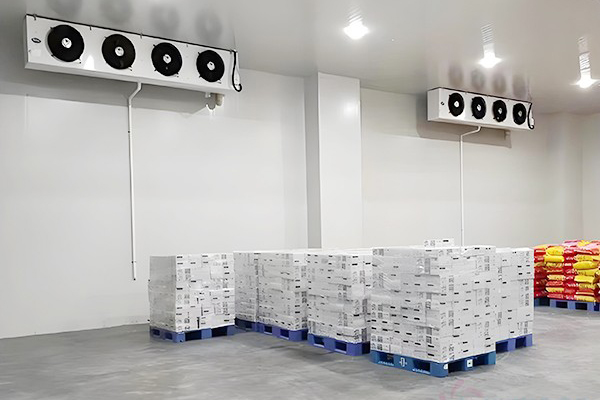
3. Basic Requirements for Modular Cold Storage Construction
Site conditions must be inspected prior to construction. The floor must be level and capable of supporting the required load. For storage-type facilities with frequent forklift traffic, floor strength, moisture barriers, and insulation layers are critical. Low-temperature facilities require special attention to floor insulation and frost-heave prevention to avoid issues such as cracking, condensation, or frost heaving during long-term operation.
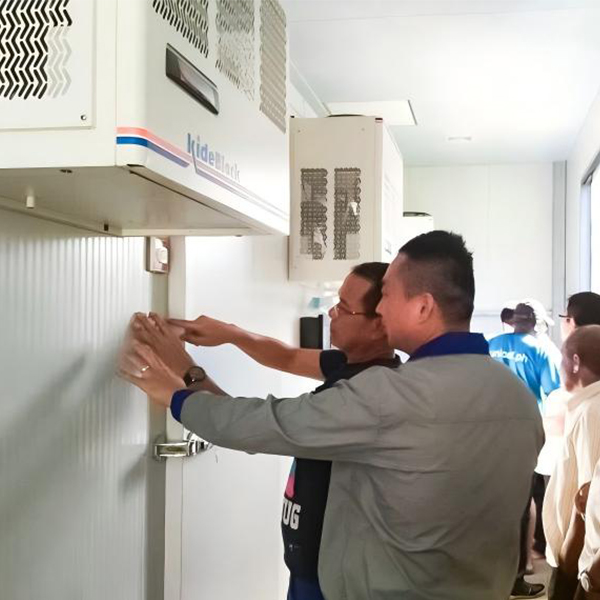
During installation, insulation panels must be tightly joined, and proper sealing is required at internal and external corners, door frames, drainage outlets, and wall penetrations. Inadequate sealing leads to cooling loss, increases equipment run times, and destabilizes internal temperatures. For food-grade cold storage, interior materials must be hygienic, corrosion-resistant, and easy to maintain to facilitate cleaning and management.
4. Equipment Selection Must Align with Operational Needs
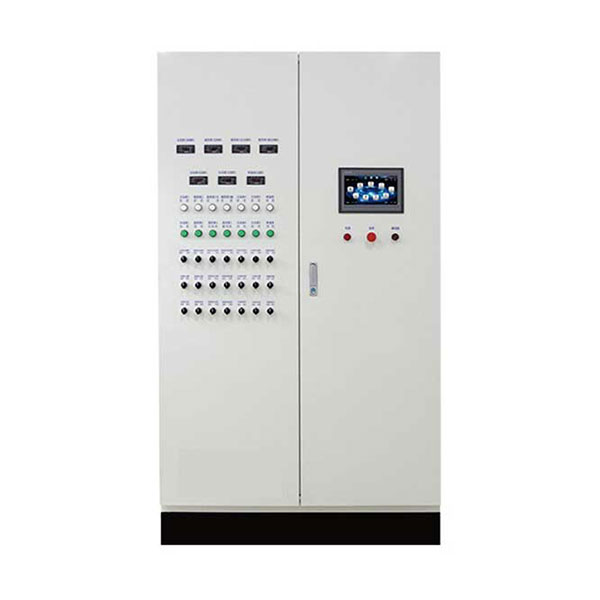
Proper equipment selection directly impacts both the construction cost and the operational performance of the modular cold storage unit. Undersized equipment may result in slow cooling, significant temperature fluctuations, or the need for continuous high-load operation, while oversized equipment can inflate procurement and operating costs. A sound approach involves calculating the thermal load based on storage capacity, product intake temperature, daily intake volume, door opening frequency, ambient temperature, and usage patterns. When positioning air coolers, attention must be paid to airflow distribution to avoid prolonged direct airflow onto the goods—which can cause moisture loss—while ensuring uniform temperatures throughout the storage space. The electrical control system should include basic functions such as temperature display, automatic start/stop, and fault protection. For projects with higher management requirements, features like temperature logging, remote monitoring, and alarm systems can be added to facilitate daily operations and maintenance.
5. How to effectively control the cost of modular cold storage
Controlling the cost of modular cold storage is not simply a matter of lowering material or equipment standards; rather, it involves aligning the configuration with actual needs. Before designing the system, it is essential to clarify the intended use, floor area, height, temperature zones, product types, and inventory turnover frequency. For cold storage facilities with high usage frequency, priority should be placed on equipment energy efficiency, thermal insulation performance, and sealing integrity to minimize future electricity costs and maintenance burdens.
Construction practices also impact the final cost. Proper installation minimizes the need for rework and reduces the likelihood of issues such as cold air leakage, frost buildup, poor drainage, and uneven temperatures. Factors such as insufficient power capacity, spatial constraints, drainage difficulties, or challenging equipment hoisting conditions should be assessed in advance to avoid unexpected cost increases during construction.
In summary, the cost of modular cold storage is not fixed; it is determined by a combination of factors, including storage area, temperature zone requirements, insulation materials, refrigeration equipment, installation techniques, and site conditions. Before construction begins, the products to be stored, storage capacity, turnover frequency, and operating environment should be clearly defined to guide the design and cost estimation. Only by harmonizing the structural design, equipment configuration, and construction details can one control initial investment while ensuring stable, energy-efficient long-term operation and minimizing maintenance costs.
FAqS
The cost depends on storage size, temperature requirements, insulation materials, refrigeration system, equipment configuration, installation conditions, and additional features such as monitoring systems.
Modular cold storage requires proper insulation panels, airtight structure, suitable refrigeration equipment, reliable electrical systems, and correct installation to ensure stable temperature performance.
Modular cold storage offers faster installation, flexible expansion, easier relocation, and standardized construction, making it suitable for various commercial and industrial applications.