 HAOCOOL

Does a Cold Storage Facility Need a Backup Refrigeration Unit?
For food processing plants, frozen food warehouses, pharmaceutical cold rooms, and large cold chain facilities, refrigeration reliability is just as important as cooling capacity. A refrigeration failure can cause temperature fluctuations, product deterioration, production interruptions, and significant financial losses. Therefore, many businesses ask an important question: Does a cold storage facility need a backup refrigeration unit?
The answer depends on the facility's size, stored products, temperature requirements, operating hours, and acceptable level of risk. A backup system is not necessary for every cold room, but it can be highly valuable for critical cold storage projects.
Why Is Backup Refrigeration Important?
Cold storage facilities often operate 24 hours a day. If the main refrigeration system suddenly stops because of compressor failure, electrical problems, control faults, or maintenance, the indoor temperature can gradually rise.
For frozen products, pharmaceuticals, meat, seafood, and other temperature-sensitive goods, even a relatively short interruption may create quality and safety concerns.
A backup refrigeration unit provides additional protection by allowing the facility to maintain temperature during equipment failure or maintenance.
Do All Cold Rooms Need a Complete Backup Unit?
Not necessarily. For a small commercial cold room storing products with relatively low temperature sensitivity, installing a completely independent backup system may increase the initial investment without providing sufficient economic benefit.
For larger facilities, however, redundancy can be designed into the refrigeration system. Instead of installing one additional system with 100% capacity, engineers may configure multiple compressors or refrigeration units so that the remaining equipment can continue operating if one unit becomes unavailable.
This approach can provide both operational flexibility and redundancy.
Backup Design for Large Cold Storage Warehouses
Large cold storage facilities often contain multiple temperature zones, such as chilled storage, frozen storage, blast freezing rooms, and processing areas. Each zone may have different refrigeration requirements.
A professional refrigeration design can divide the cooling load among several compressors or refrigeration units. If one compressor requires maintenance, the remaining units can continue providing partial cooling.
For critical applications, an independent emergency refrigeration system may also be considered.
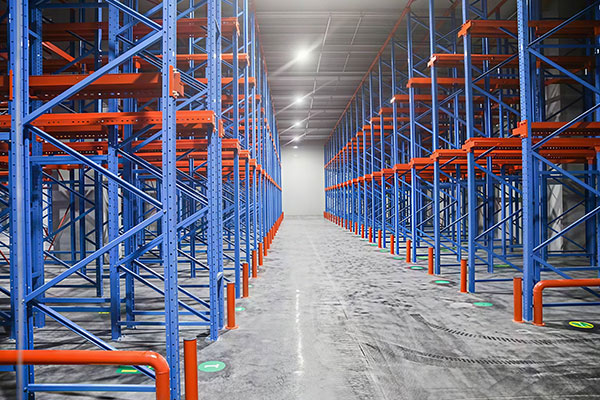
Standby Equipment and Maintenance
A backup system is useful not only during unexpected failures but also during scheduled maintenance.
Compressors, condensers, evaporators, valves, electrical components, and control systems require periodic inspection and servicing. With suitable redundancy, maintenance can be carried out without completely shutting down the refrigeration facility.
This is particularly important for warehouses operating continuously or storing high-value products.
Consider the Cost of Downtime
When deciding whether to install backup refrigeration equipment, businesses should consider the potential cost of a refrigeration failure rather than only the initial equipment investment.
For example, a short interruption in a small storage room may have limited consequences. However, a failure in a large frozen food distribution center or pharmaceutical cold storage facility could affect thousands of products and disrupt the entire supply chain.
Therefore, the appropriate backup strategy should be based on a combination of product value, storage temperature, facility scale, operating conditions, and risk tolerance.
HAOCOOL Provides Reliable Cold Storage Solutions
HAOCOOL provides customized industrial refrigeration solutions, including cold storage design, refrigeration system selection, equipment supply, installation, commissioning, and technical support.
For large and critical projects, HAOCOOL can evaluate refrigeration load, temperature zones, equipment configuration, operating requirements, and redundancy needs to develop a suitable system architecture.
A backup refrigeration unit is not mandatory for every cold storage facility, but it can significantly improve reliability for large or temperature-sensitive operations.
The right solution may involve a dedicated standby unit, multiple compressors, independent refrigeration systems, or partial-load redundancy. Professional engineering analysis can determine the most practical approach without unnecessarily increasing project costs.
For modern cold chain facilities, reliability should be considered alongside cooling capacity and energy efficiency. A properly designed backup strategy can help protect products, maintain stable temperatures, reduce operational risks, and support continuous cold storage operations.
FAqS
It is recommended for large cold storage warehouses, pharmaceutical storage, frozen food facilities, and other projects where refrigeration interruption could cause significant losses.
Yes. Multiple compressors can share the cooling load, allowing the remaining compressors to continue operating if one unit requires maintenance or fails.
Yes, it increases the initial investment, but for critical cold storage facilities, the additional cost can help reduce the risk of product loss and operational downtime.