 HAOCOOL

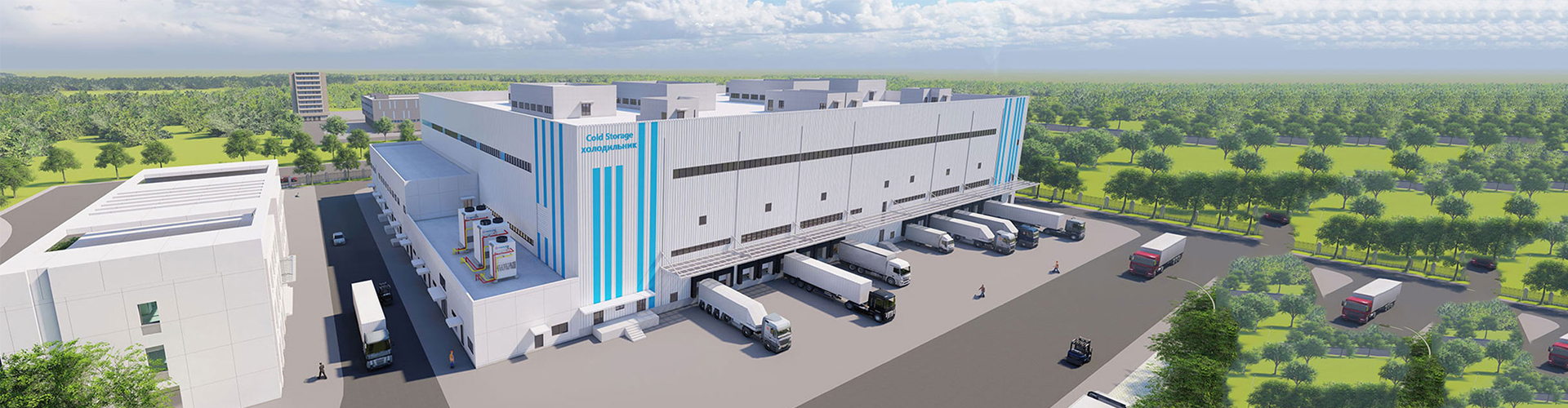
Pre-Cooling, Blast Freezing, Cold Storage and Processing Room Configuration for Seafood Cold Storage
A professional seafood cold storage facility is more than a simple refrigerated warehouse. Fresh fish, shrimp, shellfish and other aquatic products are highly sensitive to temperature changes, so an efficient cold chain should connect pre-cooling, blast freezing, frozen storage and processing areas into one coordinated system. Proper configuration can help maintain product quality, reduce temperature fluctuations and improve overall cold chain efficiency.
1. Pre-Cooling Room for Fresh Seafood
Pre-cooling is an important first step after seafood arrives at the facility. Fresh products may enter the warehouse at relatively high temperatures, especially after harvesting, fishing or transportation.
A dedicated pre-cooling room can rapidly remove product heat before long-term storage or further processing. The refrigeration capacity should be calculated according to product volume, incoming temperature, required cooling time and daily throughput.
Fast and uniform cooling helps reduce temperature abuse and provides better conditions for subsequent processing or storage.
2. Blast Freezing Room for Seafood
For seafood that needs to be frozen, a blast freezing room can rapidly reduce product temperature and improve freezing efficiency.
The system should be designed according to the type, size, packaging and loading method of the seafood. Fish fillets, whole fish, shrimp and packaged seafood may have different freezing requirements.
High-performance evaporators, sufficient airflow and properly selected refrigeration capacity are essential for achieving uniform freezing. Product arrangement inside the room should also allow cold air to circulate effectively.
3. Frozen Seafood Cold Storage
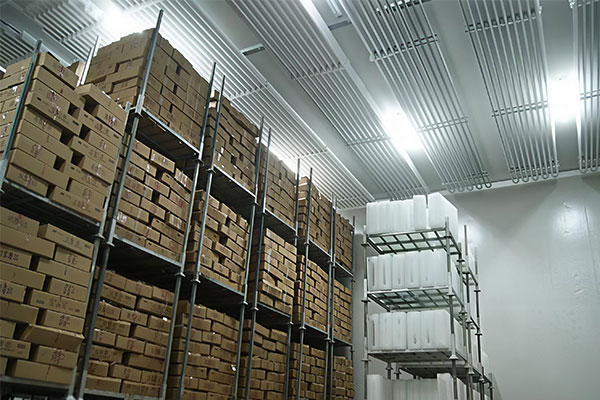
After freezing, seafood should normally be transferred to a dedicated frozen storage room. The purpose of this room is different from blast freezing: instead of rapidly freezing warm products, it maintains the required low temperature for long-term storage.
The refrigeration system should provide stable temperature control while minimizing temperature fluctuations. High-quality insulation, reliable cold storage doors and effective air circulation can reduce heat gain and improve energy efficiency.
4. Seafood Processing Room
The processing room connects refrigeration with production operations. Depending on the project, it may include cleaning, sorting, cutting, weighing, packaging and temporary holding areas.
The processing room should be planned according to the production workflow. Product movement should be as direct as possible, reducing unnecessary transportation and minimizing the time seafood remains outside temperature-controlled areas.
Hygiene, drainage, washable surfaces and suitable temperature control are also important considerations for seafood processing facilities.
5. Integrated Refrigeration System Design
Pre-cooling, blast freezing, frozen storage and processing areas have different refrigeration requirements. Therefore, simply installing one refrigeration unit for the entire facility may not always be the most efficient solution.
Professional engineers should calculate the heat load of each temperature zone and determine the appropriate compressors, evaporators, condensers, piping and control systems.
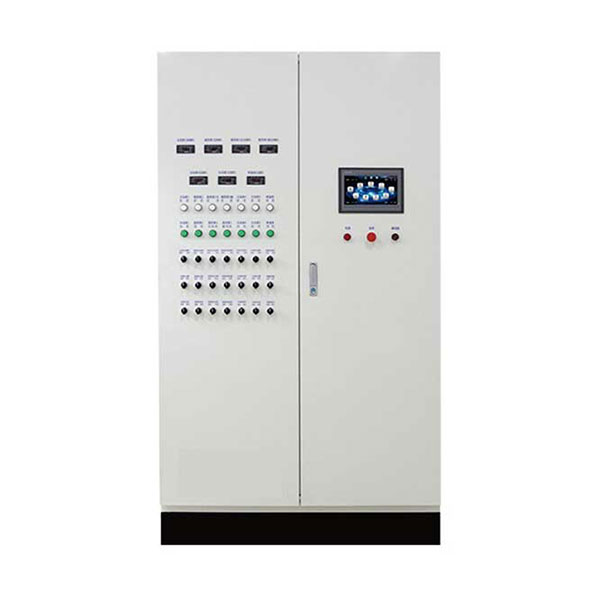
For large seafood cold storage projects, centralized refrigeration systems and automated controls can provide more flexible management of different temperature zones.
6. HAOCOOL Seafood Cold Chain Solutions
HAOCOOL provides integrated seafood cold storage and industrial refrigeration solutions, covering cold room design, refrigeration equipment selection, cold storage construction, installation, commissioning and technical support.
Based on the customer's seafood type, storage capacity, processing capacity and local climate, HAOCOOL can develop customized refrigeration and cold chain solutions for fish, shrimp, shellfish and other aquatic products.
An efficient seafood cold storage facility should establish a complete temperature-controlled process from pre-cooling to blast freezing, frozen storage and processing. Each area has its own technical requirements and should be designed as part of an integrated cold chain system.
Professional planning helps maintain seafood quality, improve processing efficiency and reduce unnecessary energy consumption. For large seafood projects, a customized engineering solution can provide a more reliable foundation for long-term cold storage and cold chain operations.
FAqS
Pre-cooling quickly removes heat from fresh seafood after harvesting or transportation, helping maintain freshness and prepare products for further processing or storage.
Blast freezing is used to rapidly freeze products, while frozen storage is designed to maintain a stable low temperature after the products have been frozen.
Good insulation, properly sized refrigeration equipment, efficient evaporators, well-sealed doors and automated temperature control can help reduce energy consumption.