 HAOCOOL
Tanzania Kilwa Masoko Fishing Port Cold Chain Project | HAOCOOL Seafood Refrigeration
Case Details
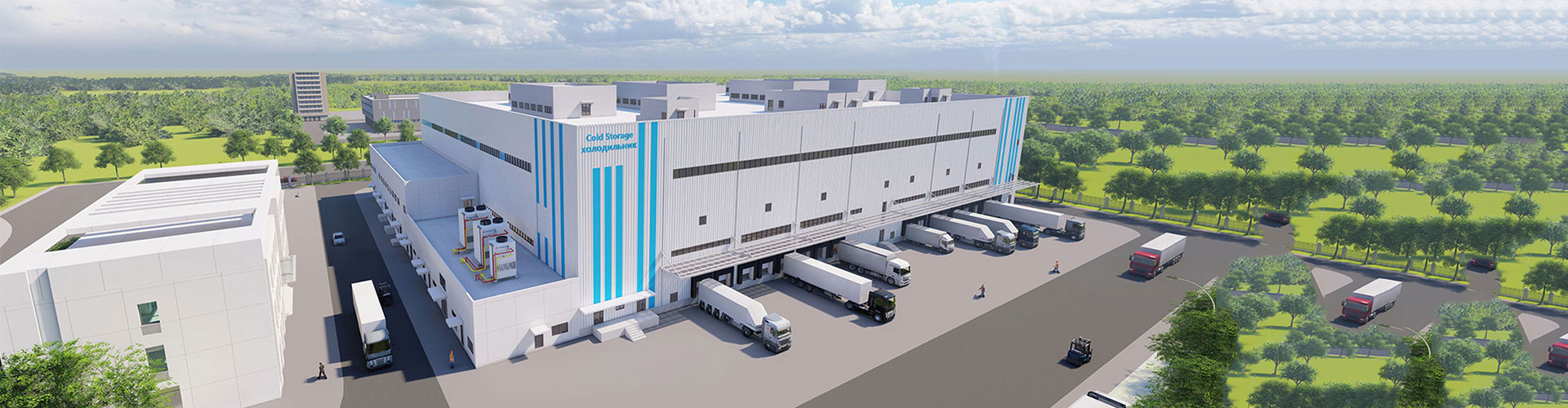
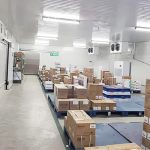
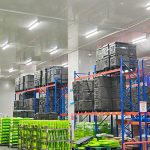
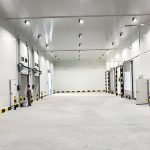
The Tanzania Kilwa Masoko Fishing Port Integrated Cold Chain Complex Project, implemented by HAOCOOL, was developed as a comprehensive seafood cold chain facility covering the complete processing flow after fish unloading, including preliminary processing, sorting, blast freezing, refrigerated storage, ultra-low-temperature storage, ice production, packaging, loading, and shipment.
Rather than functioning as a standalone cold storage warehouse, the project was designed as a fully integrated cold chain complex for fishing port infrastructure. Through the coordinated layout of processing areas, blast freezing rooms, refrigerated and ultra-low-temperature storage zones, ice production areas, loading platforms, machinery rooms, and auxiliary facilities, the complex supports a continuous and efficient seafood processing workflow.
The completed facility combines production, cold storage, processing, and logistics functions, providing a complete cold chain infrastructure solution for fishing port operations and seafood distribution.
Project Information
| Parameter | Project Details |
|---|---|
| Project Name | Tanzania Kilwa Masoko Fishing Port Cold Chain Complex |
| Location | Tanzania, Africa |
| Contractor | HAOCOOL |
| Project Type | Fishing Port Cold Storage Complex / Seafood Cold Chain Facility |
| Total Project Area | Approx. 12,600 m² |
| Building Structure | Single-story reinforced concrete structure with an independent two-story section |
| Overall Building Height | 11.6 m |
| Main Application | Seafood Processing, Freezing, Storage, Ice Production and Logistics |
Functional Layout of the Cold Chain Complex
Considering the operational characteristics of a fishing port, the facility was divided into multiple functional zones covering the entire seafood processing and cold chain workflow.
| Functional Area | Main Function |
|---|---|
| Preliminary Processing Area | Initial processing of seafood products |
| Fish Sorting Area | Fish sorting and preparation |
| Processing & Preparation Area | Product handling before freezing |
| Blast Freezing Area | Rapid freezing of fish and seafood products |
| Refrigerated Storage | Short-term chilled or low-temperature storage |
| Post-Freezing Packaging Area | Packaging after freezing |
| Low-Temperature Cold Storage | Frozen seafood storage |
| Transition Area | Intermediate processing and transfer zone |
| Ice Production Area | Industrial ice production |
| Receiving & Shipping Platform | Loading, unloading and logistics buffer area |
| Electrical Distribution Room | Power supply and electrical distribution |
| Refrigeration Machine Room | Installation of refrigeration equipment |
| Auxiliary Rooms | Supporting facilities for operation and maintenance |
This layout ensures continuous product movement from unloading to processing, freezing, storage, packaging, and final shipment.
Main Performance Parameters
The cold chain complex integrates large-scale cold storage, blast freezing, and ice production functions, making it suitable for fishing ports, seafood processing companies, and marine product logistics facilities.
| Performance Parameter | Capacity |
|---|---|
| Total Storage Capacity | Approx. 1,900 tons |
| Blast Freezing Capacity | 90 tons/day |
| Ice Production Capacity | 100 tons/day |
Main Area Specifications
| Functional Area | Area / Height |
|---|---|
| Frozen Storage at -18°C | Approx. 500 m², 6 m high |
| Ultra-Low-Temperature Storage at -60°C | Approx. 180 m², 6 m high |
| Blast Freezing Room | Approx. 180 m², 4.5 m high |
| Production Workshop | Approx. 400 m², 3.5 m high |
With its scale and functional configuration, the project provides more than conventional frozen storage. It also supports rapid freezing, ultra-low-temperature preservation, production preparation, ice supply, packaging, and organized seafood dispatch.
Multi-Temperature Zoning System
One of the major technical features of the project is its multi-temperature cold chain design. Different temperature zones were established according to the processing and storage requirements of seafood products.
| Area | Design Temperature |
|---|---|
| Frozen Storage | -25°C |
| Ultra-Low-Temperature Storage | -60°C |
| Blast Freezing Room | -35°C |
| Chilled / Low-Temperature Storage | -5°C |
| Preliminary Processing Area | 10°C to 15°C |
| Fish Sorting Area | 10°C to 15°C |
| Post-Freezing Packaging Area | 10°C to 15°C |
| Transition Area & Loading Platform | 10°C to 15°C |
| Ice Storage Room | -10°C |
The multi-temperature configuration ensures that appropriate environmental conditions are maintained throughout seafood handling, processing, freezing, storage, and logistics operations.
Cold Room Insulation Solution
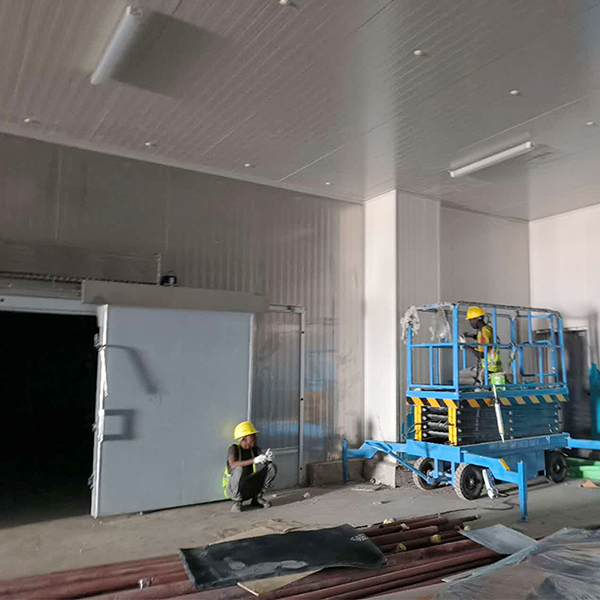
Different insulation thicknesses were selected according to the operating temperature of each functional area. This approach helps reduce heat penetration, maintain stable internal temperatures, and improve refrigeration energy efficiency.
| Parameter | Specification |
|---|---|
| Panel Brand | HAOCOOL |
| Panel Type | Double-Sided Color-Coated Steel PU Insulated Sandwich Panel |
| Insulation Core | Polyurethane Foam |
| Panel Thickness | 75 mm / 100 mm / 150 mm / 200 mm |
| Steel Facing Thickness | 0.5 mm |
| Fire Rating | B1 Grade |
| Main Application | Walls, ceilings and insulated cold room structures |
The use of different panel thicknesses allows the insulation system to match the thermal requirements of processing areas, standard cold rooms, freezer rooms, and ultra-low-temperature storage zones.
Refrigeration Equipment Configuration
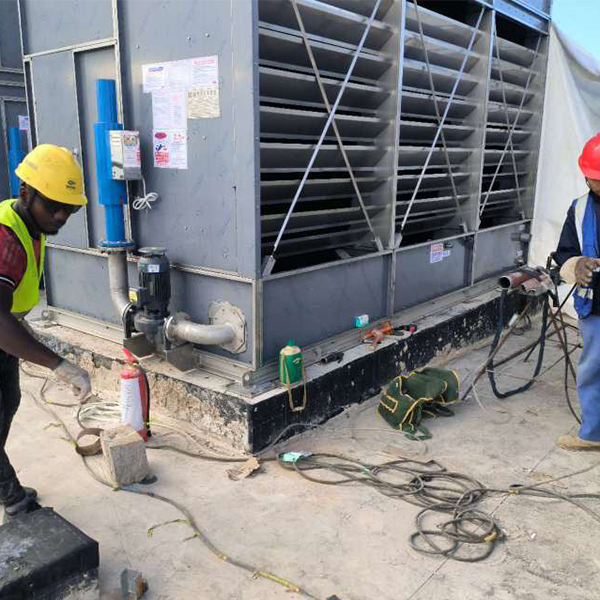
Because the thermal loads and operating conditions vary significantly between different functional areas, HAOCOOL adopted a differentiated refrigeration equipment configuration for the project.
Compressor Systems
Semi-hermetic screw refrigeration compressor units were selected for major medium- and low-temperature applications, including receiving areas, processing zones, blast freezing rooms, and low-temperature storage rooms.
Configured refrigeration compressor systems include capacities such as:
120 HP / 640 HP / 150 HP, selected according to the cooling load and operating requirements of individual refrigeration zones.
For selected refrigerated storage areas and waste handling rooms, enclosed refrigeration systems with side-discharge air configurations were applied according to site conditions.
Evaporators / Air Coolers
| Equipment | Quantity |
|---|---|
| Refrigeration Air Coolers / Evaporators | 39 units |
The evaporator arrangement was designed to provide efficient heat exchange and uniform air distribution throughout the cold storage and processing areas.
Key Features of the Project
Complete Seafood Cold Chain Solution
The project covers all major stages of fishing port cold chain operations, including receiving, preliminary processing, sorting, freezing, storage, ice production, packaging, and shipment.
Comprehensive Multi-Temperature Design
Temperature zones range from production areas at 10–15°C to ultra-low-temperature cold storage at -60°C, providing suitable conditions for different seafood processing and storage requirements.
High Integrated Capacity
The facility combines approximately 1,900 tons of storage capacity, 90 tons/day of blast freezing capacity, and 100 tons/day of ice production capacity.
Optimized Refrigeration Equipment Selection
Different refrigeration equipment configurations were selected according to the operating temperature, cooling load, working conditions, and functional requirements of each zone.
Designed for Fishing Ports and Seafood Processing
The integrated design makes the facility highly suitable for fishing ports, seafood processing plants, frozen seafood distribution centers, and marine cold chain logistics facilities.
Project Results
The Tanzania Kilwa Masoko Fishing Port Cold Chain Complex is one of HAOCOOL's representative overseas projects in the seafood refrigeration and fishing port cold chain sector.
Through systematic functional zoning, multi-temperature planning, optimized insulation design, and customized refrigeration equipment selection, HAOCOOL delivered a complete cold chain infrastructure solution supporting seafood processing, rapid freezing, frozen storage, ice production, packaging, and logistics.
The project demonstrates how an integrated cold storage system can improve seafood handling efficiency, maintain product quality, strengthen cold chain continuity, and support large-scale fishing port operations.
This project can serve as a practical reference for future developments involving fishing port cold storage facilities, seafood processing factories, marine product logistics centers, industrial freezer warehouses, and integrated seafood cold chain projects.
Product Recommendation
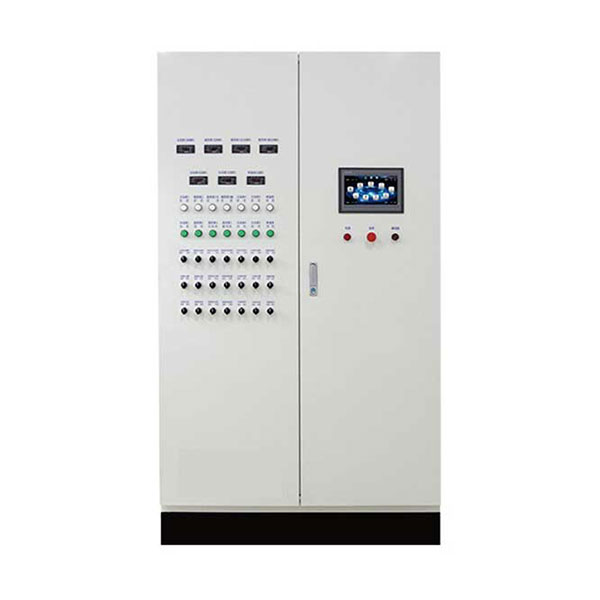
Cold Storage PLC Electrical Control Panel
Cold Storage PLC Electrical Control Panel A cold storage PLC electrical control panel is an intelligent control system designed to manage and monitor refrigeration equipment in cold rooms, freezer warehouses, food processing facilities, and industrial cold chain projects. By integrating PLC control technology with refrigeration componen...
View details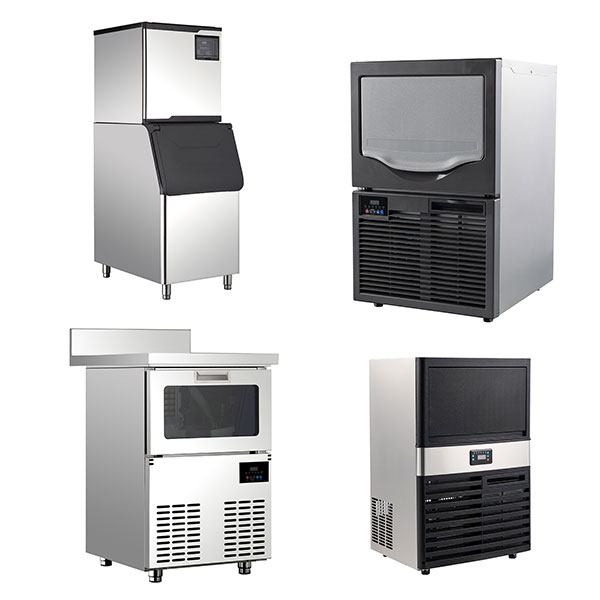
Ice Machine for Cold Storage and Cold Chain Facilities
Ice Machine for Cold Storage and Cold Chain Facilities An industrial ice machine is an important auxiliary equipment solution for seafood processing, fish markets, food distribution centers, agricultural logistics, and cold chain facilities. It produces a continuous supply of ice for rapid cooling, product preservation, transportation, ...
View details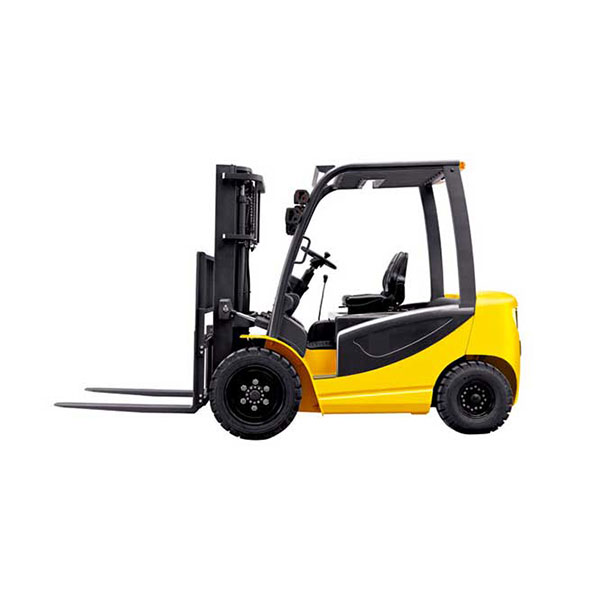
Cold Storage Forklift
Cold Storage Forklift A cold storage forklift is a specialized material handling solution designed for refrigerated warehouses, freezer rooms, food processing facilities, and cold chain logistics centers. Unlike standard warehouse forklifts, cold storage forklifts are designed to operate reliably in low-temperature and humid environment...
View details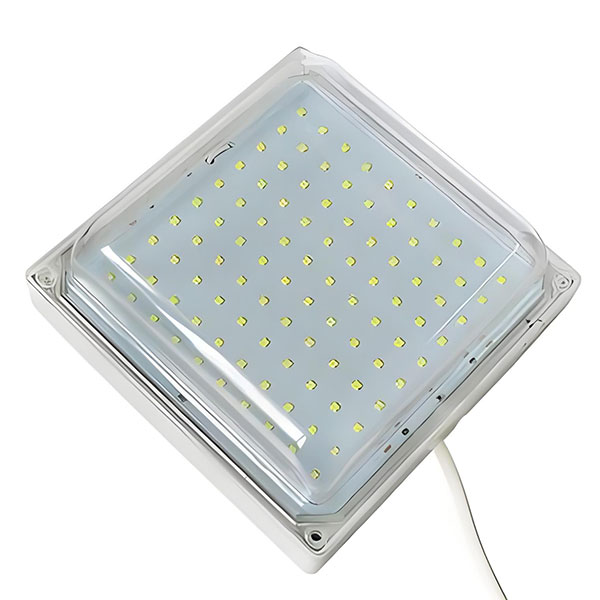
Cold Storage LED Light
Cold Storage LED Light Cold storage lighting is an essential part of modern refrigerated warehouses, freezer rooms, food processing facilities, and cold chain logistics centers. Unlike conventional indoor lighting, cold storage lights need to operate reliably in low-temperature, high-humidity, and potentially condensation-prone environm...
View detailsNEWS INFORMATION
 READ MORE
HAOCOOL Participates in AGRILINK 2026 in the Philippines, Showcasing Advanced Cold Storage and Cold Chain Solutions
0Building Connections in Southeast Asia and Supporting Modern Agricultural Cold Chain Development From October 8 to 10, 2026, HAOCOOL participated in AGRILINK – Agrilink Foodlink Aqualink, one of the leading agricultural, food, and aquacult...
-
READ MORE
How to Determine the Low-Temperature Storage Temperature for Hazardous Chemicals?
0The storage temperature of hazardous chemicals is not determined simply by choosing a lower temperature. It should be established according to the specific chemical properties, safety data, storage requirements, and applicable regulations. For...
-
READ MORE
What Is the Difference Between a Hazardous Goods Cold Storage Facility and a Standard Cold Storage Warehouse?
0Cold storage facilities are widely used for food, pharmaceuticals, chemicals, and other temperature-sensitive products. However, a hazardous goods cold storage facility has significantly different design and safety requirements from a standard...
-
READ MORE
Which costs more to build: a cold storage warehouse, a freezer warehouse, or a blast freezing warehouse?
0When planning a cold storage facility, users often compare the construction costs of cold storage warehouses, freezer warehouses, and blast freezing warehouses. Assuming similar storage capacity, building conditions, equipment brands, and cons...
-
READ MORE
Why Are the Requirements for Medical Cold Chain Warehousing Higher?
0The question of why medical cold chain warehousing demands higher standards frequently arises in the contexts of pharmaceutical distribution, vaccine storage, and the management of in vitro diagnostic reagents. Medical products are highly sens...
-
READ MORE
How to Achieve Energy Efficiency in Cold Storage? Practical Tips for Cold Chain Enterprises to Save Power and Reduce Consumption
0For cold chain enterprises, achieving energy efficiency in cold storage is a crucial factor in controlling operating costs. Since cold storage facilities operate continuously, electricity bills often account for a significant portion of daily ...


loading...
已经是到最后一篇内容了!