 HAOCOOL
How to Reduce Energy Consumption in Cold Storage Facilities in Hot and Humid Southeast Asia?
Southeast Asia has a tropical climate characterized by high temperatures and high humidity throughout the year. For cold storage facilities operating in countries such as the Philippines, Thailand, Malaysia, Indonesia, and Vietnam, maintaining stable low temperatures requires higher refrigeration capacity and greater energy consumption compared with facilities in moderate climates.
Therefore, improving energy efficiency has become a key consideration in the design and operation of modern cold storage warehouses. Through professional planning, optimized refrigeration systems, and effective management methods, businesses can significantly reduce operating costs while maintaining reliable storage conditions.
1. Optimize Cold Storage Design According to Local Climate
The first step to reducing energy consumption is professional cold storage design. In hot and humid regions, the refrigeration load is strongly affected by outdoor temperature, humidity, solar radiation, and frequent door opening.
During the planning stage, engineers should consider the local climate conditions, warehouse location, product characteristics, and operating schedule. Proper warehouse layout, reasonable temperature zoning, and optimized logistics routes can help reduce unnecessary heat gain.
Separating receiving areas, processing areas, storage rooms, and loading zones can minimize the time that cold air escapes from the storage area.
2. Improve Insulation Performance
High-quality insulation is one of the most important factors affecting cold storage energy efficiency.
In tropical climates, cold rooms need to continuously resist high outdoor temperatures. Poor insulation performance can cause excessive heat transfer through walls, ceilings, floors, and doors, forcing refrigeration equipment to operate longer.
Using suitable insulation panels, ensuring proper panel installation, and improving sealing at joints and doors can effectively reduce heat infiltration and maintain stable indoor temperatures.
3. Select Efficient Refrigeration Equipment
The refrigeration system should be selected based on accurate cooling load calculations rather than simply choosing higher-capacity equipment.
An oversized refrigeration system may increase investment costs and operate inefficiently under partial loads, while insufficient capacity may cause unstable temperatures and increased operating pressure.
Modern energy-saving solutions may include high-efficiency compressors, variable capacity control, optimized condensers, efficient evaporators, and intelligent refrigeration controls.
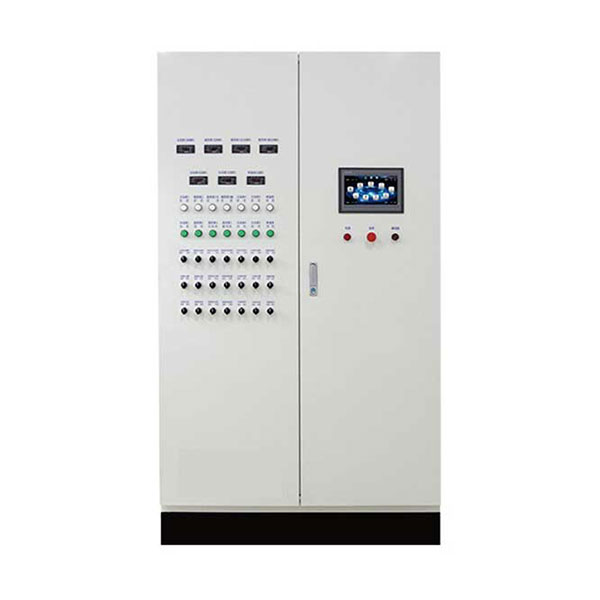
For large cold storage facilities, centralized refrigeration systems or advanced control solutions can help improve overall system efficiency.
4. Reduce Heat Gain During Daily Operation
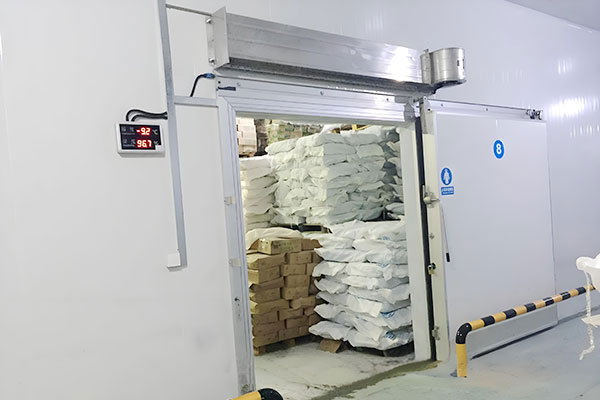
In tropical areas, frequent opening of cold room doors can cause significant heat and moisture infiltration.
To reduce energy loss, cold storage facilities can use high-performance insulated doors, air curtains, rapid doors, and loading buffer areas.
Proper employee training and warehouse management procedures are also important. Reducing unnecessary door opening time and improving product handling efficiency can directly lower refrigeration demand.
5. Control Humidity and Prevent Excessive Moisture
High humidity is a major challenge for cold storage facilities in Southeast Asia. Excess moisture entering the cold room increases the refrigeration load and may cause frost formation on evaporators.
Proper humidity control, suitable defrost methods, and optimized air circulation help maintain stable operation and reduce unnecessary energy consumption.
6. Apply Intelligent Monitoring Systems
Modern cold storage facilities increasingly use digital monitoring and automation systems to improve energy management.
Temperature monitoring, equipment status tracking, alarm systems, and remote management platforms allow operators to identify abnormal conditions quickly and optimize equipment operation.
Data analysis can also help businesses understand energy consumption patterns and improve long-term operating efficiency.
HAOCOOL Provides Energy-Efficient Cold Storage Solutions
HAOCOOL provides professional cold storage engineering solutions for tropical and high-humidity regions, including project planning, refrigeration system design, refrigeration equipment supply, installation support, commissioning, and technical service.
By combining climate-adapted design, efficient refrigeration technology, high-performance insulation, and intelligent control systems, HAOCOOL helps customers build reliable and energy-saving cold chain facilities.
Reducing energy consumption in cold storage facilities in Southeast Asia requires a comprehensive approach. Insulation performance, refrigeration system selection, humidity control, warehouse operation, and automation all play important roles.
A well-designed cold storage project can not only maintain stable product quality but also reduce long-term electricity costs and improve operational efficiency. For businesses investing in cold chain infrastructure, professional engineering design is the key to achieving both energy savings and reliable performance in hot and humid environments.
FAqS
Because of high outdoor temperatures and humidity, refrigeration systems need to remove more heat and moisture to maintain stable storage conditions.
High-quality insulation panels and proper sealing reduce heat transfer from outside, helping refrigeration equipment run less frequently and lowering electricity costs.
Yes. Intelligent control systems can monitor temperature, optimize equipment operation, reduce unnecessary energy consumption, and improve overall refrigeration efficiency.