 HAOCOOL

Advantages of Centralized Refrigeration Systems for Large Cold Storage Facilities and Suitable Project Applications
As cold chain logistics, food processing, and industrial refrigeration continue to develop, large cold storage facilities increasingly require efficient, reliable, and energy-saving refrigeration solutions. Compared with traditional independent refrigeration units, a centralized refrigeration system for large cold storage warehouses offers advantages in equipment management, cooling capacity allocation, operational efficiency, and system maintenance.
However, centralized refrigeration is not suitable for every project. The selection should be based on storage capacity, temperature requirements, operating schedules, building layout, and long-term operating costs.
1. What Is a Centralized Refrigeration System?
A centralized refrigeration system uses a group of compressors installed in a common machinery room to supply cooling capacity to multiple cold rooms or refrigeration zones.
The system typically consists of parallel compressor units, condensers, evaporators, refrigerant pipelines, expansion devices, electrical control cabinets, and an automated monitoring system.
Depending on project requirements, different refrigeration temperature levels can be configured through independent suction groups or separate refrigeration circuits.
This design allows multiple cold rooms to share refrigeration infrastructure while maintaining their respective temperature requirements.
2. Five Major Advantages of Centralized Refrigeration Systems
Improved Energy Efficiency
One of the main advantages of centralized refrigeration is flexible compressor capacity management.
Instead of operating several independent refrigeration units at full capacity, a centralized system can automatically adjust the number of operating compressors according to actual cooling demand.
During periods of low refrigeration demand, unnecessary compressors can remain switched off. During peak periods, additional compressors can start to provide sufficient cooling capacity.
This helps optimize energy consumption and improve overall operating efficiency.
Flexible Cooling Capacity Allocation
Large cold storage facilities often contain multiple rooms with different temperatures and operating schedules.
For example, a meat processing facility may include -35°C blast freezing rooms, -18°C frozen storage rooms, and 0°C to +4°C chilled storage rooms.
A properly designed centralized refrigeration system can allocate cooling capacity according to different operating requirements. Independent temperature groups can be configured to serve different applications.
Higher Operational Reliability
Centralized refrigeration systems can be designed with multiple compressors operating in parallel.
If one compressor requires maintenance or experiences a malfunction, the remaining compressors may continue operating, provided sufficient standby capacity is available.
This configuration helps reduce the risk of complete refrigeration system shutdown and is particularly valuable for large food warehouses and cold chain logistics centers.
Easier Maintenance and Equipment Management
With compressors and major refrigeration components concentrated in a dedicated machinery room, maintenance personnel can inspect equipment, perform repairs, and monitor operating conditions more conveniently.
Centralized electrical control and remote monitoring systems also make it easier to identify operating abnormalities, monitor temperatures, and manage equipment performance.
Better Space Utilization
Compared with installing multiple independent refrigeration units, centralized systems can reduce the number of separate equipment installations around individual cold rooms.
This can improve equipment layout, simplify pipeline arrangements, and create more organized technical spaces.
3. Which Projects Are Suitable for Centralized Refrigeration?
Centralized refrigeration systems are particularly suitable for projects with multiple refrigeration rooms, large total cooling loads, and relatively continuous operating requirements.
Typical applications include:
Large-scale food cold storage warehouses.
Meat slaughtering and processing facilities.
Seafood processing and freezing plants.
Fruit and vegetable storage centers.
Pharmaceutical logistics warehouses.
Central kitchens and food distribution centers.
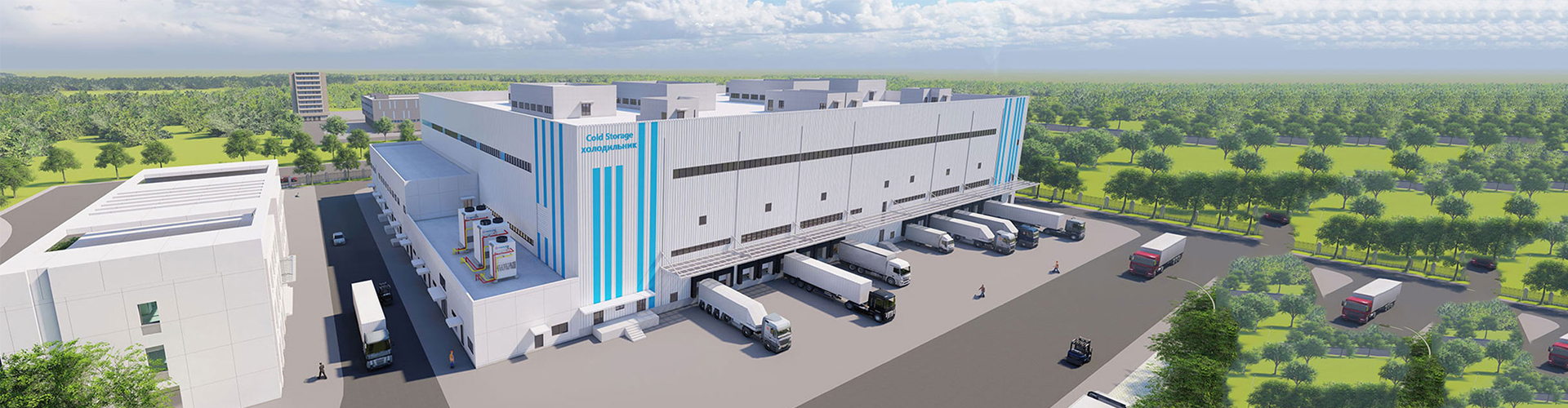
Large cold chain logistics parks.
Industrial food production facilities.
For example, a large meat processing project may require separate blast freezing, frozen storage, chilled processing, and dispatch areas. A centralized refrigeration system with properly configured temperature groups can provide an integrated cooling solution for these different zones.
4. What Conditions Should Be Considered Before Choosing a Centralized System?
Although centralized refrigeration offers many advantages, several factors must be evaluated before selecting this solution.
Project scale: The total refrigeration load and number of cold rooms should justify the additional investment in centralized equipment and piping infrastructure.
Temperature requirements: Different temperature zones may require independent suction groups, separate circuits, or different refrigeration technologies.
Building layout: The distance between the machinery room and cold rooms affects pipeline design, refrigerant pressure drop, installation costs, and maintenance accessibility.
Operating schedules: Facilities with simultaneous and relatively continuous refrigeration demand may benefit more from centralized systems than small facilities with occasional operation.
Maintenance capabilities: A centralized system requires professional installation, commissioning, monitoring, and regular maintenance.
Backup configuration: For facilities storing high-value or temperature-sensitive products, standby compressors, emergency power supplies, and alarm systems should be considered.
5. Centralized vs. Independent Refrigeration: Which Is Better?
Independent refrigeration units are generally suitable for small cold rooms, individual businesses, and projects with relatively simple operating requirements.
Centralized refrigeration is often more appropriate for large facilities with multiple temperature zones, substantial cooling loads, and centralized operational management.
The best solution should be determined through a comprehensive comparison of initial investment, electricity consumption, maintenance costs, reliability, and expected service life.
HAOCOOL: Customized Centralized Refrigeration Solutions for Industrial Cold Storage
HAOCOOL provides integrated refrigeration engineering services, including cold storage planning, refrigeration load calculations, equipment selection, system design, equipment supply, installation, commissioning, and after-sales technical support.
The company develops customized centralized refrigeration solutions for meat processing plants, seafood cold storage facilities, fruit and vegetable warehouses, food factories, and large cold chain logistics centers.
Depending on project requirements, HAOCOOL can provide parallel compressor systems, industrial refrigeration equipment, automated control systems, and multi-temperature cold storage solutions.
Centralized refrigeration systems offer significant advantages for large cold storage facilities, including flexible cooling capacity allocation, improved energy management, convenient maintenance, and enhanced operational reliability.
However, successful implementation depends on accurate refrigeration load calculations, suitable temperature zoning, professional pipeline design, and appropriate equipment configuration.
For large industrial refrigeration projects, choosing the right centralized refrigeration system can help businesses establish a more reliable, efficient, and cost-effective cold chain infrastructure.
FAqS
Yes. A centralized refrigeration system can be designed with independent refrigeration circuits or suction groups to serve different temperature zones, such as -35°C blast freezing, -18°C frozen storage, and 0°C to +4°C chilled storage.
Yes. If the system is properly designed with multiple parallel compressors and sufficient standby capacity, the remaining compressors can continue providing cooling while the faulty unit is being repaired.
In many large-scale projects, yes. Centralized systems can adjust compressor operation according to actual cooling demand, reduce unnecessary cycling, and optimize energy consumption. Actual savings depend on system design and operating conditions.